Navigating the AEIS Preparatory Course for Singapore's International Schools
Understanding the AEIS and Its Importance
Moving to Singapore with school-aged children brings a lot of questions, especially around education. The Admissions Exercise for International Students, or AEIS, is the central route for non-citizens to enter Singapore's mainstream primary and secondary schools. It is not a simple registration process; it is a competitive placement exam that tests English and Mathematics, with results determining both admission and the appropriate grade level. For parents, the stakes feel high, and for students, the pressure is real. That is where an aeis preparatory course becomes more than just a study aid; it becomes a bridge into a new academic culture.
I have spent years working with international students preparing for this transition, and the single most common mistake I see is underestimating the English language component. Many families assume that if a child has studied English in their home country, they will be fine. But the AEIS English paper is not just about vocabulary or grammar drills. It tests a student's ability to write coherently under time pressure, to understand instructions that are phrased in specific ways, and to respond to prompts that assume a certain level of cultural familiarity. A good preparatory programme addresses these gaps directly. aeis preparatory course
What an AEIS Preparatory Course Typically Covers
An aeis preparatory course is not a one-size-fits-all programme. The best ones start with a diagnostic assessment that places the student at their current level, not their age-based grade. This is crucial because Singapore's curriculum moves at a pace that often surprises newcomers. For example, a student who is comfortable with basic arithmetic may not have encountered the problem-solving heuristics that appear in the Primary 4 maths paper. Similarly, the English syllabus expects students to write compositions that follow a specific structure, with an emphasis on clear sequencing and descriptive language.
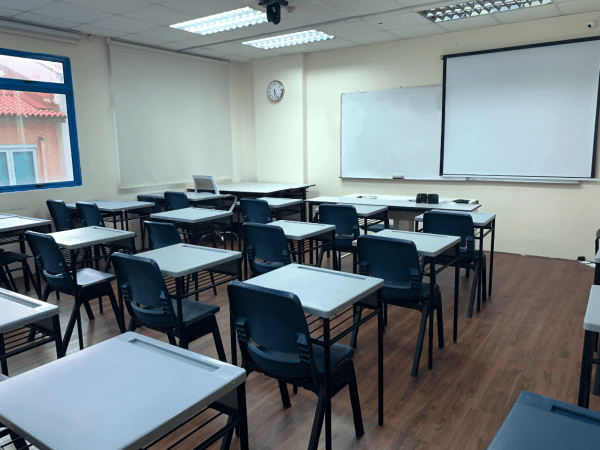
The course usually breaks down into three main areas: English language skills, mathematics reasoning, and exam technique. English instruction focuses on comprehension, grammar, and writing. Students practise writing short essays and narratives under timed conditions, learning to organise their thoughts quickly. Mathematics covers the core topics relevant to the student's target level, but also teaches the "thinking skills" that Singapore's curriculum emphasises. These are not just formulas; they are strategies for approaching unfamiliar problems. The third area, exam technique, is often overlooked by families who think it is just about practising past papers. But there is real craft in learning how to manage time, how to read a question carefully, and how to check work efficiently. A structured programme weaves these skills together over several weeks or months, depending on the student's starting point.
Connect with us on Instagram.
Why Preparation Goes Beyond Academics
One thing I have learned from observing students over the years is that the emotional side of the AEIS matters as much as the academic side. A child who arrives in Singapore feeling anxious or overwhelmed will struggle to perform, no matter how well they have studied. A thorough aeis preparatory course recognises this and builds in elements of cultural familiarisation. For instance, lessons might include examples of classroom language that students will hear from Singaporean teachers, or practice with the types of group activities common in local schools. This reduces the shock of the first day and helps the student feel more confident when sitting for the actual exam.
There is also the matter of parental involvement. I have seen many parents assume that once they enrol their child in a course, they can step back and wait for results. But the most successful transitions happen when parents understand what the exam requires and can support practice at home. A good programme provides guidance for parents too, such as simple ways to reinforce English usage in daily conversation or tips for creating a consistent study routine. This partnership between the school, the student, and the family makes a significant difference.
Choosing the Right Programme
Not all AEIS preparation courses are created equal. When I help families evaluate their options, I advise them to look at several factors. First, the qualifications of the teachers. Are they familiar with Singapore's national curriculum? Have they actually taught students who have taken the AEIS before? Second, the class size. Smaller groups allow for more individual attention, which is especially important for students who are struggling with a particular subject. Third, the course materials. Are they up to date with the current AEIS syllabus? The exam evolves, and using outdated resources can be worse than no preparation at all.
Another practical consideration is the schedule. Some students benefit from an intensive crash course in the weeks leading up to the exam, while others do better with a longer, more gradual programme that allows them to absorb the material at a steady pace. The right choice depends on the child's age, their current academic level, and their personal learning style. I have seen both approaches work well, but the key is matching the approach to the student, not forcing the student into a rigid programme.
What Happens After the AEIS
Passing the AEIS is a milestone, but it is not the end of the journey. Once a student is placed in a Singapore school, they will face a new set of challenges: adapting to a different teaching style, making friends, and keeping up with a curriculum that may be more demanding than what they are used to. The skills they developed during their preparation course, especially in English and mathematics, will serve them well. But I always encourage families to think of the preparation as the foundation, not the final step. Continued support, whether through additional tutoring or simply through regular check-ins with the school, helps the student settle in and thrive.
For families who are considering this path, the best advice I can offer is to start early. The AEIS is held twice a year, in September and February, but the preparation should begin months in advance. Rushing leads to stress and often to disappointing results. A well-planned approach gives the student time to build both skills and confidence.
A Practical Closing Note
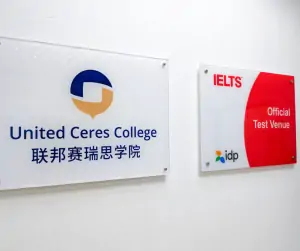
For those looking for a structured and supportive environment, United Ceres College, located at 37 Middle Rd, #05-00, Singapore 188946, offers a range of programmes including AEIS and S-AEIS preparation, and can be reached at +65 8699 3609. It is one of several institutions in Singapore that provide focused guidance for international students navigating this important transition.